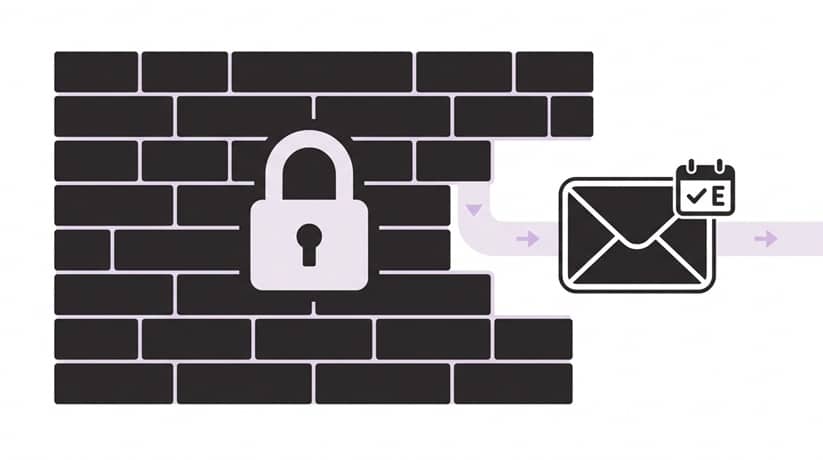
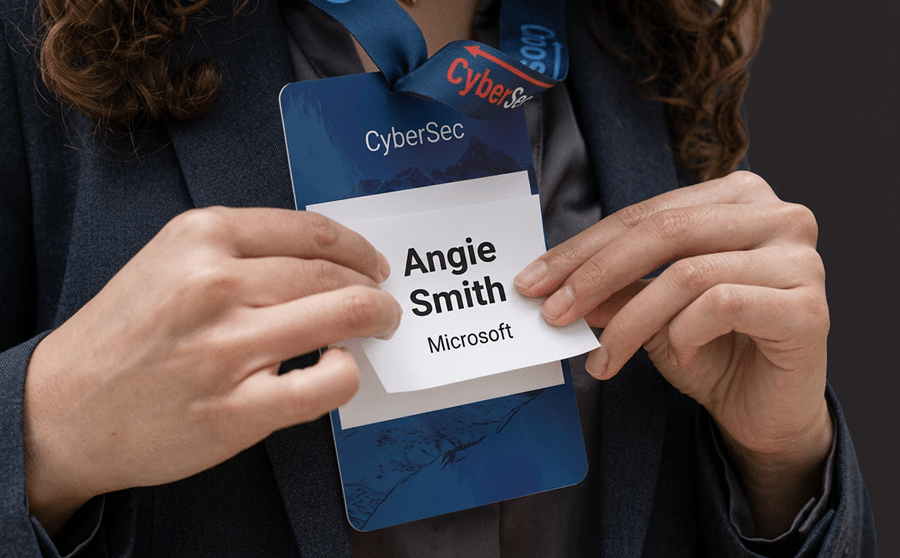
In today’s data-driven event landscape, GDPR compliance is not just a legal obligation — it’s a cornerstone of attendee trust. For event organizers using management and check-in apps, ensuring GDPR adherence is critical, especially when handling high-profile events with sensitive attendee data. This playbook outlines key steps to stay compliant while delivering seamless, secure experiences.
Why GDPR Matters for Events in 2025–2026
GDPR (General Data Protection Regulation) governs how personal data is collected, stored, and shared for EU/EEA residents — even if your event is hosted outside the EU. Non-compliance can result in hefty fines and reputational damage. Key risks include:
- Unauthorized data sharing (e.g., with sponsors without explicit consent).
- Insecure data storage (e.g., unencrypted attendee details in check-in apps).
- Lack of transparency (e.g., unclear privacy policies or cookie tracking).
7-Step GDPR Compliance Framework for Events
1. Obtain Clear, Explicit Consent
- Use unticked opt-in boxes for marketing communications and third-party data sharing (e.g., sponsors).
- Provide granular choices (e.g., separate consents for email follow-ups vs. badge scanning).
- Ensure consent is easy to withdraw post-event (e.g., via attendee portals).
This is far easier when consent is built directly into your sign-up flow. Check-in Pax’s RSVP & registration forms let you add granular, unticked opt-in checkboxes for marketing and sponsor sharing right alongside the registration fields — capturing clear, documented consent from the very first interaction.
2. Minimize Data Collection
- Only request essential data (e.g., avoid unnecessary fields like job titles unless critical).
- Implement data retention policies (e.g., auto-delete attendee data after 12 months).
- Ensure your event software allows complete data purging (full event deletion or individual guest records).
3. Secure Data Storage & Processing
- Use encrypted platforms (e.g., AES-256 encryption for check-in apps and databases).
- Sign Data Processing Agreements (DPAs) with vendors (badge printers, event agencies, AV suppliers).
- Verify data is removed from all systems including backups when deleted.
4. Ensure Transparency
- Display privacy notices at registration, explaining:
- What data is collected (e.g., name, email, dietary requirements).
- How it’s used (e.g., personalized agendas, post-event surveys).
- Third-party sharing (e.g., sponsors).
5. Prepare for Data Subject Requests
- Enable attendees to:
- Request their data (via dedicated support contact).
- Request deletion (“right to be forgotten”).
- Correct inaccuracies (e.g., misspelled names).
- Provide clear contact information (e.g., privacy@yourcompany.com) for GDPR requests.
6. Have a Breach Response Plan
While major breaches are rare, prepare a practical protocol:
- Immediate actions:
- Contact your event software provider to revoke team member access instantly, force logout of compromised devices, and block user accounts if credentials are exposed.
- For lost devices: remote wipe check-in apps containing guest lists.
- Documentation:
- Maintain a simple incident log.
- Note affected individuals and measures taken.
7. Choose Event Software with Robust Security Architecture
Ensure your provider has:
- Tenant-specific KMS key isolation — dedicated encryption keys per organizer.
- Zero data mingling — complete separation of attendee databases.
- Certified infrastructure — ISO 27001 or SOC 2 compliant data centers.
This enterprise-grade approach offers:
- Military-grade breach containment — isolates risks to individual events.
- Future-proof auditing — clear cryptographic boundaries for compliance.
- Competitive advantage — demonstrates premium data care to attendees.
Event Emails vs. Marketing Emails: Staying Compliant
A key GDPR requirement is distinguishing between event-related communications (transactional) and marketing emails (promotional):
Transactional Event Emails (Allowed Without Explicit Opt-In)
- Invitations (for genuine prospects/existing clients).
- Confirmations & tickets.
- Reminders & updates.
- Post-event follow-ups.
Best Practices:
- Only invite guests with legitimate interest.
- Include unsubscribe options in all emails.
Marketing Emails (Require Explicit Opt-In)
- Newsletters about future events.
- Promotional offers from sponsors.
- Cross-selling other services.
Best Practices:
- Use double opt-in for marketing lists.
- Clearly separate from event logistics.
Key Takeaways
- Consent is king — always use opt-in, not pre-checked boxes.
- Less is more — collect only what you need.
- Security is non-negotiable — encrypt data and vet vendors.
- Distinguish transactional vs. marketing emails.
- Architecture matters — prioritize tenant-isolated encryption.
- Trust builds loyalty — transparent practices enhance attendee satisfaction.
By embedding GDPR compliance into your event strategy, you not only avoid penalties but also foster long-term attendee trust — a competitive edge in 2025–2026’s privacy-conscious world.
Need a deeper dive? Explore our GDPR-ready RSVP & registration forms to see how built-in consent capture and secure data handling work in practice, or contact us to learn more about our GDPR-compliant event solutions.
Disclaimer: This post is for informational purposes only. Consult legal experts for specific compliance advice.